A Look Back at the VR Business Club Reality Connect Event with Prof. Dr. Astrid Nelke of know:bodies
Successfully Leading and Integrating Human-AI Teams
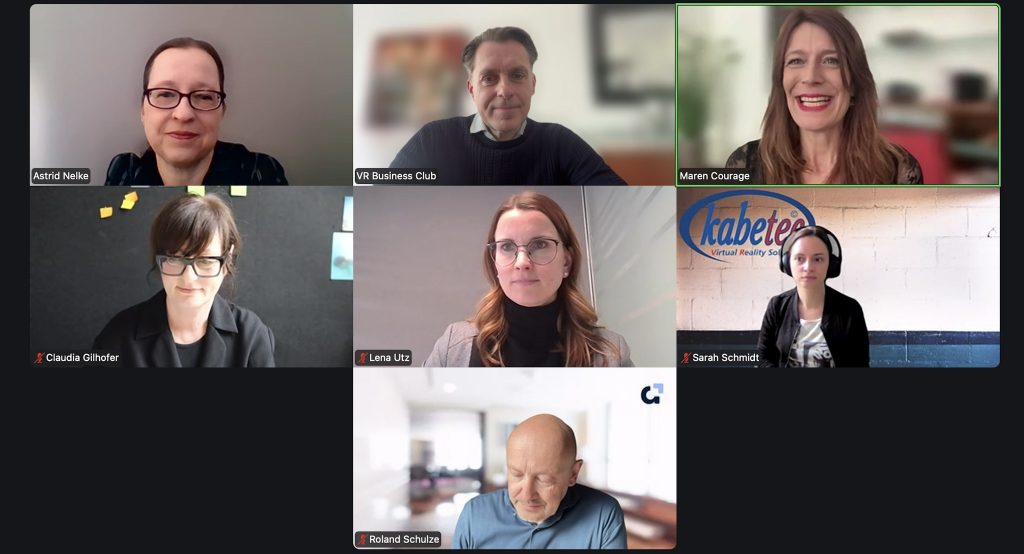
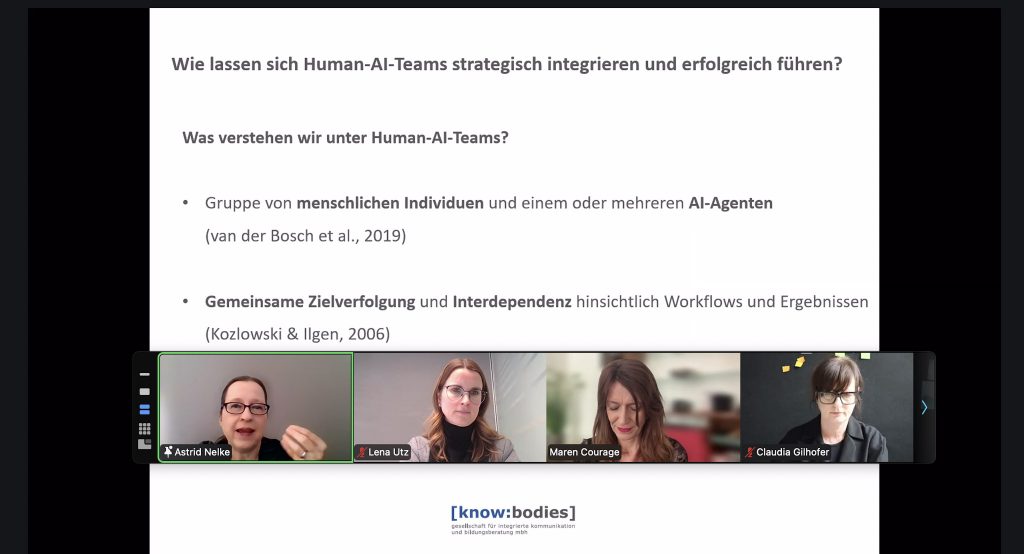
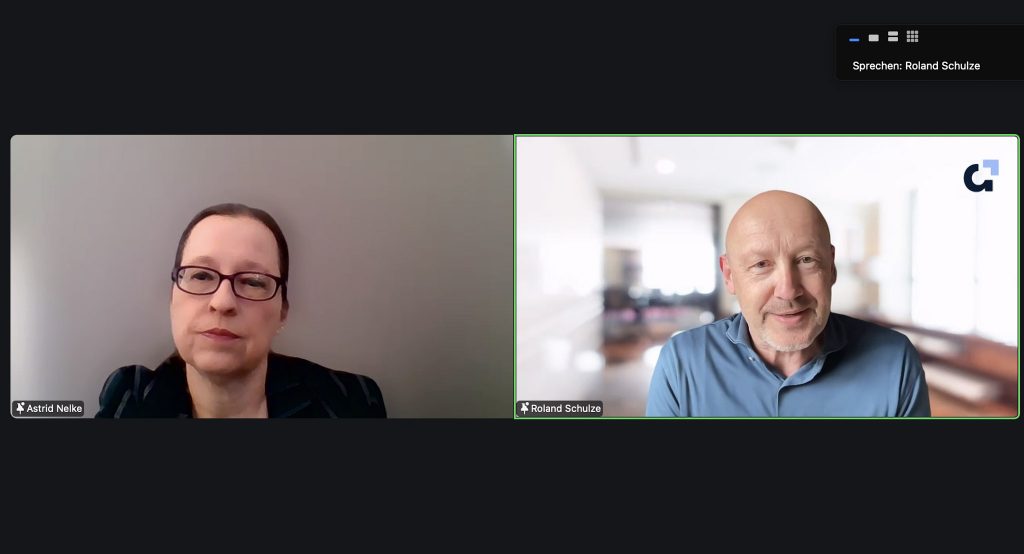
On April 21, 2026, an online discussion with Prof. Dr. Astrid Nelke took place as part of the VR Business Club Reality Connect. The discussion focused on one of the key questions facing organizations: How can human-AI teams be successfully integrated strategically, and what role do leadership and internal communication play in this process?
Rethinking Collaboration
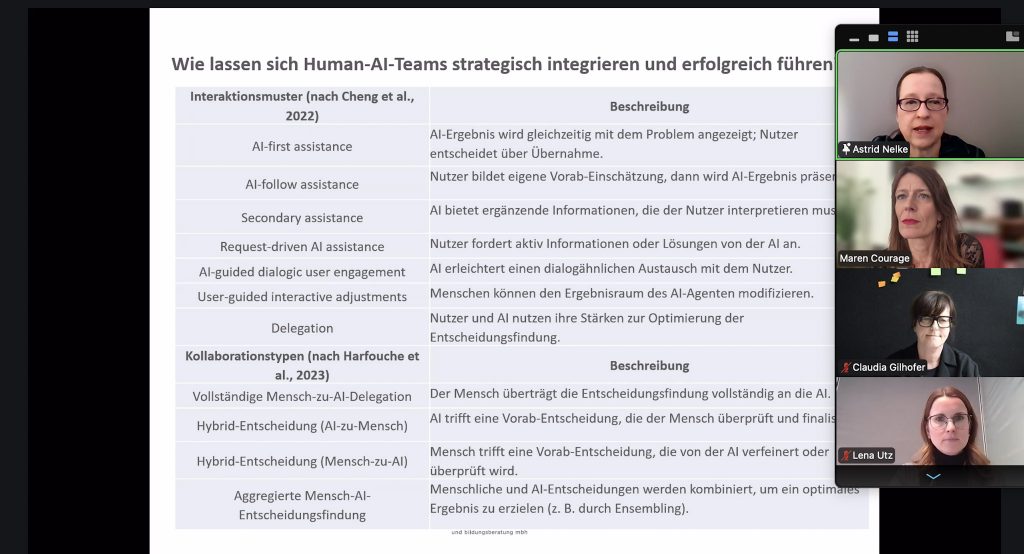
The discussion made it clear that human-AI teams are no longer a vision of the future, but are already a reality in many companies. Successful collaboration occurs when human skills—such as intuition, contextual understanding, and improvisation—are combined with the strengths of AI, such as data processing, speed, and constant availability.
One key shift in perspective was particularly emphasized: Employees are increasingly acting as “managers” of their own AI systems. This shifts responsibility directly to the operational level.
Leadership and Organization in a Time of Change
The adoption of AI in organizations is not merely a technological issue. A structured, strategic approach is essential. Off-the-shelf solutions fall short. Instead, what is needed are customized solutions tailored to each organization’s specific needs.
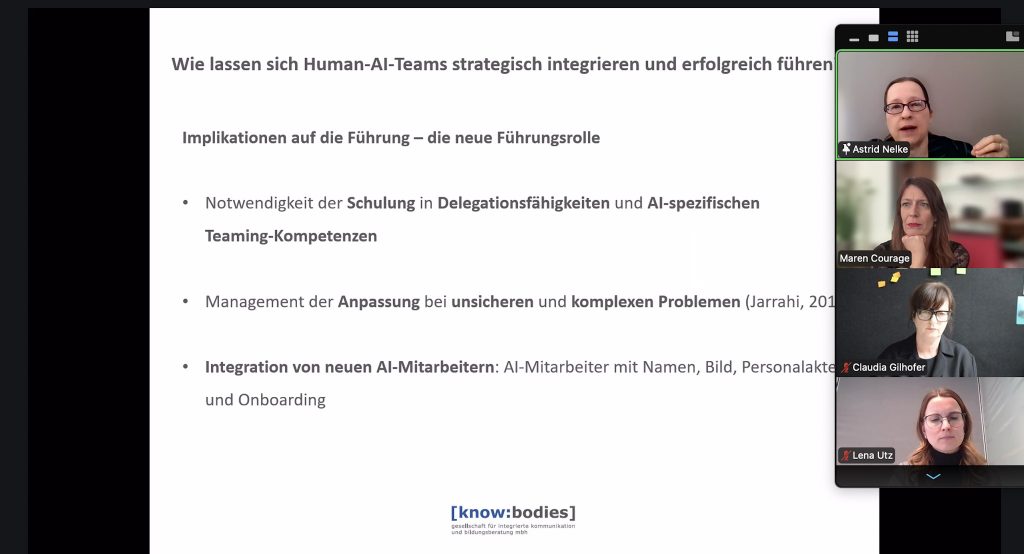
An important aspect is the onboarding of AI. AI systems should not be treated as tools, but rather integrated like team members. This involves clear roles, defined tasks, and transparent integration into existing processes.
Trust and Performance
A key tension lies between skepticism and excessive reliance on AI. Organizations must learn to strike a stable balance. Trust is not built through technology, but through clarity, structure, and experience in working with it.
The quality of interaction also plays a greater role than is often assumed. Studies show that respectful and clearly articulated communication with AI can lead to significantly better results.
Internal Communication as the Key
Another key focus was on the role of internal communication. Transparency, clear guidelines, and shared standards are essential for ensuring that human-AI teams perform effectively.
This also includes binding AI governance structures, for example regarding issues such as ethics, data protection, and accountability.
Co-learning as a cultural principle
One particularly relevant point was the concept of co-learning. Organizations that successfully utilize AI foster a culture of learning in which humans and AI improve together. This applies to both individual skills and the organization as a whole.
Key Findings
Human-AI teams can only realize their full potential through strategic integration
Leadership is shifting toward the operational management of AI systems
Onboarding and clearly defined roles for AI are crucial
Trust is built through structure, not technology
Internal communication is becoming a key success factor
Co-learning is becoming a guiding cultural principle
Conclusion
The discussion made it clear: The success of human-AI teams depends less on the technology itself and more on how organizations structure collaboration. Leadership, communication, and structure determine whether AI delivers real value.